

科技助力幼儿园科学教育的创新实践
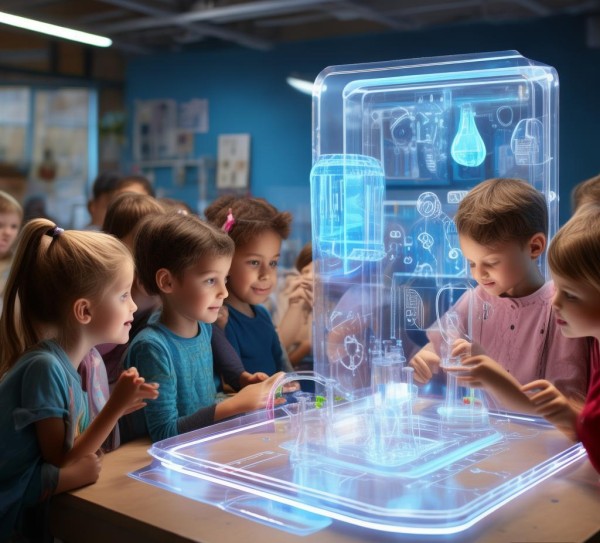
科技助力幼儿园科学教育创新实践,通过引入先进的教育科技产品,幼儿园教育形式不断创新,努力实现教育理念的现代化,研究表明,结合科技教育理念,幼儿园教师采用多样化的教学方法和工具,显著提升了孩子的学习兴趣和科学素养,这种创新实践不仅促进了孩子的全面发展,也为国际教育发展提供了有益借鉴。
科技技术是现代文明的基石,对于 children's healthy development plays an indispensable role.幼儿园作为幼儿学习和生活的主要场所, should introduce scientific education actively, provide a imaginative and exploratory environment through innovative science activities, and through hands-on practice, cultivate scientific literacy,激发创新思维。
科技活动的背景与意义
在当前教育模式日益多元化背景下,幼儿园科技活动方案的开展显得尤为重要,通过引入创新的 scientific elements, not only can we effectively stimulate children's interest, but also provide them with a wonder-filled and creativity-encouraging environment through scientific activities, allowing them to engage in hands-on practice to cultivate scientific literacy, fostering innovation思维.
In practice, we can design creative and imaginative activities to achieve this. For example, the "Material Exploration" activity allows children to observe and manipulate different materials, which can spark their curiosity and interest in scientific principles, enabling them to experience scientific phenomena through practical activities, thereby better understanding scientific knowledge.
Science activities not only stimulate children's interest and foster their innovative spirit, but also help them develop logical thinking and creativity through "Thinking Training" in the activity. In the "Brain Training"环节, we can design open-ended questions to encourage children to solve problems through logical reasoning and creativity, observing natural changes, thinking about how to solve scientific problems.
幼儿园科技活动的具体实施
When conducting幼儿园 science activities, we must first establish scientific planning, which includes activity themes, materials, and activity times. We can design a "Science Explorer" activity for young children, allowing them to observe, record, and yze phenomena, thereby better understanding scientific principles and developing their observation and ysis abilities.
For materials, we should select age-appropriate and suitable materials during activity planning, such as all balls, plastic containers, and all boxes. In the "Scientific Discovery" activity, we can prepare various materials, allowing children to experiment with them, observing phenomena and gaining a deeper understanding of scientific knowledge.
During activity implementation, we can design interactive and engaging games to facilitate participation, such as the "Scientific抢答" game, enabling children to showcase their experimental results and learn from each other, thus gaining joy and satisfaction from the learning process.
科技活动的教育意义
Science activities not only cultivate children's scientific literacy but also promote their innovative thinking and creativity. In the "Innovation Thinking"环节, we can design open-ended questions to encourage children to think about how to apply scientific knowledge in real life, such as building a simple robot using natural materials, which fosters their creativity.
Science activities can also cultivate children's scientific spirit, enhance their learning motivation, and through "Exploration and Practice" in the activities, children can actively discover scientific laws and develop exploration spirit, laying a foundation for their lifelong learning and growth.
Moreover, in the realm of幼儿园 science activities, we must emphasize the integration of educational value with practical application. By designing imaginative and creative activities, we can make children in a fun-filled learning environment, gaining scientific knowledge and skills while enjoying their development, thereby effectively using science activities to promote children's healthy growth and development.